From orbit to actuarial table — built in Denver.
Terraxiq was founded in 2022 to close the resolution gap between what satellites can see and what crop insurers and commodity traders need to make decisions. We are a small team of remote sensing engineers, commodity market analysts, and data scientists working on one hard problem.
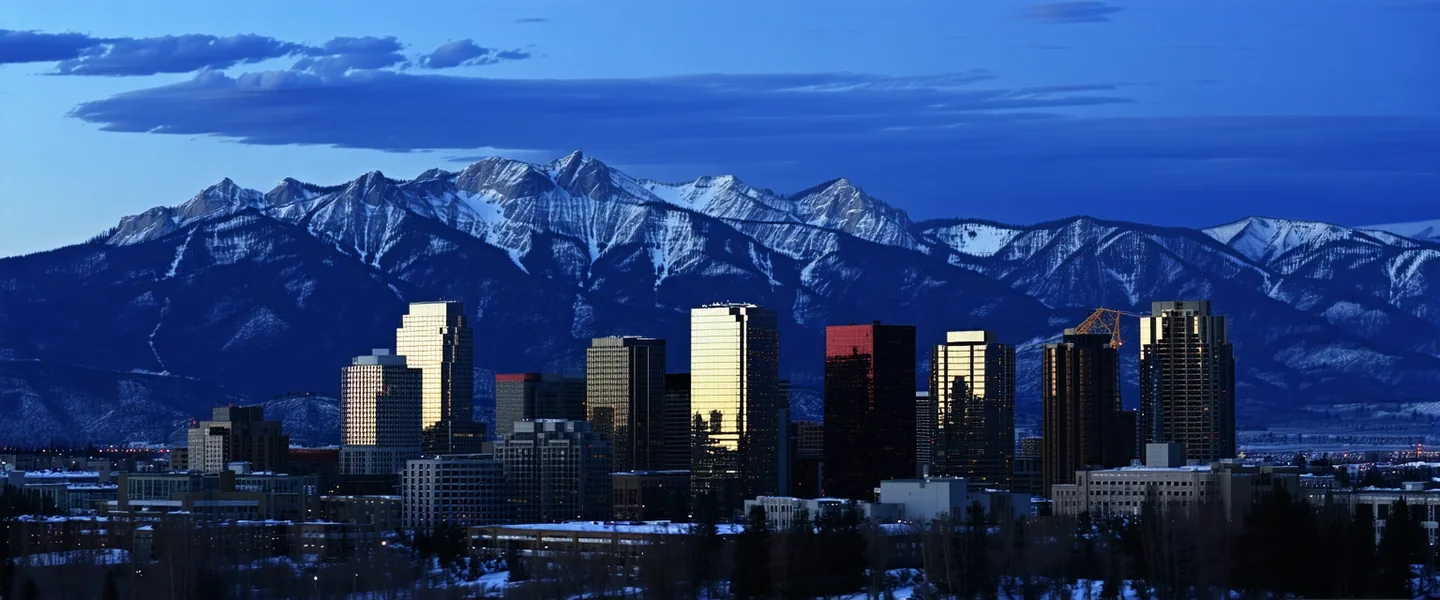
The problem we're solving.
In 2022, Santiago was running NDVI processing pipelines at Colorado State University — producing crop condition indices for USDA publications using Sentinel-2 imagery. The data quality was strong. The buyers who needed it most — crop insurers writing MPH policies in Iowa and Kansas — had no way to consume it. Their rating engines expected county-average inputs from USDA RMA actuarial tables built on hand surveys.
That gap — between what the satellites were already seeing and what the financial buyers could act on — is what Terraxiq was built to close. Not a GIS platform. Not a dashboard. A clean REST API that maps satellite-derived field-level yield intelligence directly into the JSON schema that actuarial and quantitative trading systems already expect.
The founding team.
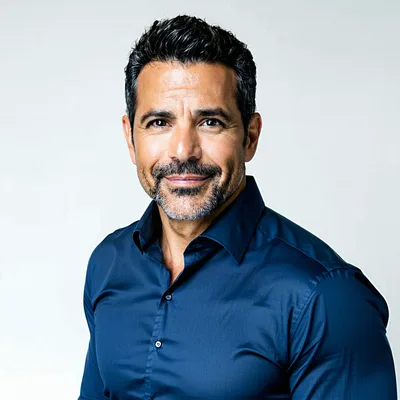
Santiago Reyes
CEO & Co-founderSpent four years as a remote sensing researcher at Colorado State University building Sentinel-2 NDVI pipelines for USDA crop condition reporting. Watched actuaries request county-average summaries of data that had 10-meter field-level precision. Founded Terraxiq in 2022 to fix that translation layer. MS Geospatial Sciences, University of Colorado Denver.
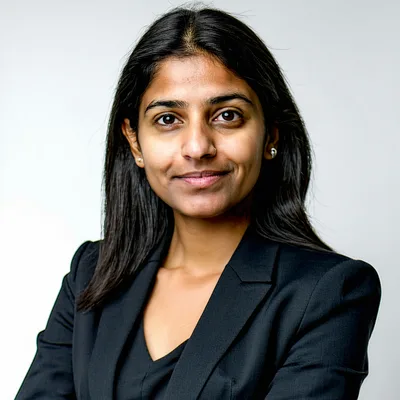
Priya Nambiar
CTO & Co-founderFive years at a commercial earth observation company building the atmospheric correction and temporal compositing pipelines that underpin Terraxiq's cloud-gap filling methodology. Owns the full processing stack: Sentinel-2 ingestion, 10-band radiometric calibration, field boundary delineation, and NDVI/EVI/red-edge band ratio computation. MS Computer Science, Colorado School of Mines.
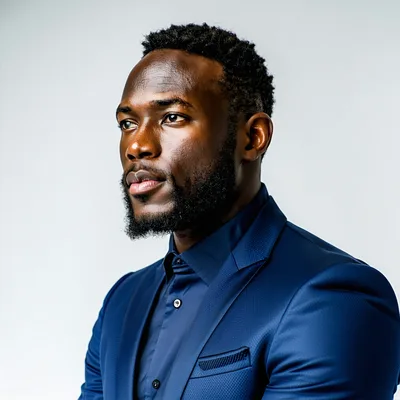
Daniel Achebe
Head of MarketsEight years as a quantitative agricultural analyst at a Chicago soft-commodity trading desk, building supply-demand models from satellite NDVI series, USDA NASS survey data, and growing-degree-day weather integrations. Joined Terraxiq to own the commercial relationship with both the insurance and trading buyer verticals. PhD Agricultural Economics, Colorado State University.
How we work.
Measurement before claim
Every product decision starts with one question: does the satellite-derived estimate reduce mean absolute error against USDA NASS ground truth at county holdout level? If yes, we ship it. If not, we calibrate further.
API-native, not GIS-native
We are not a GIS platform. We do not build dashboards. We build typed REST endpoints that return JSON structured for direct ingestion into actuarial rating engines and quant trading systems — no ESRI expertise required on the buyer's side.
Quantified uncertainty
We do not publish point estimates. Every field-level yield output includes P10/P50/P90 distributions with a confidence flag. Buyers know what the signal is worth at each percentile — which is how risk professionals actually need to consume it.
Work with us or use our data.
We are hiring satellite data engineers and agricultural domain experts. We are also always open to new crop insurer and trading desk conversations.